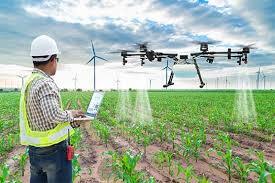
Agriculture plays a very important role in ensuring food security because it is the main source of food for the growing population. Through agriculture, people produce crops and rear animals that provide essential foods such as cereals, vegetables, fruits, milk, meat, and eggs. When agricultural activities are well managed, they help ensure a steady and reliable supply of food throughout the year, reducing hunger and malnutrition. Agriculture also supports food security by providing income and employment to many people, especially in rural areas, enabling them to buy food and meet their basic needs. In addition, sustainable agricultural practices help conserve soil, water, and other natural resources, ensuring that future generations can continue to produce food. Therefore, strengthening agriculture through modern farming methods, education, and government support is key to achieving food security and improving the overall well-being of society. discussion forums. The platform also integrates with other tools and systems, such as Google Apps and plagiarism detection software, to provide a seamless learning experience.
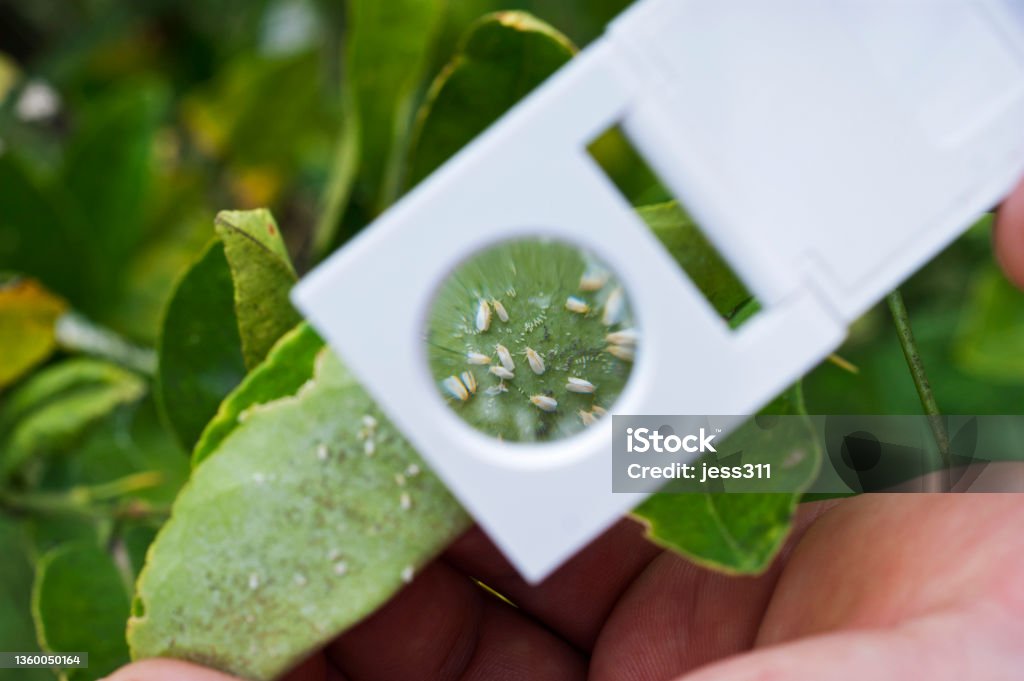
Integrated Pest Management (IPM) is a comprehensive approach to managing agricultural pests by combining biological, cultural, physical, and chemical tools in a way that minimizes economic, health, and environmental risks. This course provides students with a deep understanding of pest biology, ecology, and management strategies, emphasizing sustainable practices.
Key Topics:
Pest Identification and Biology
Classification of pests: insects, weeds, pathogens, and nematodes
Life cycles and behavior of common agricultural pests
Tools and techniques for accurate pest identification
Ecological Principles in IPM
Understanding ecosystems and pest dynamics
Role of beneficial organisms in pest management
Factors influencing pest populations and outbreaks
Cultural and Biological Control Strategies
Crop rotation, intercropping, and soil health management
Use of natural predators and parasitoids
Conservation of beneficial insects
Chemical Control Methods
Types of pesticides and their modes of action
Application techniques and safety precautions
Resistance management strategies
Monitoring and Decision-Making
Pest scouting and monitoring techniques
Economic thresholds and action levels
Decision-making tools in IPM
Implementation and Evaluation of IPM Programs
Developing an IPM plan: Assessing risks and setting goals
Evaluating the effectiveness of pest management strategies
Crop Production I provides an introductory exploration of the fundamental principles, practices, and processes involved in agricultural crop production. This course covers the biological, environmental, and economic aspects of growing crops, emphasizing the importance of sustainable practices.