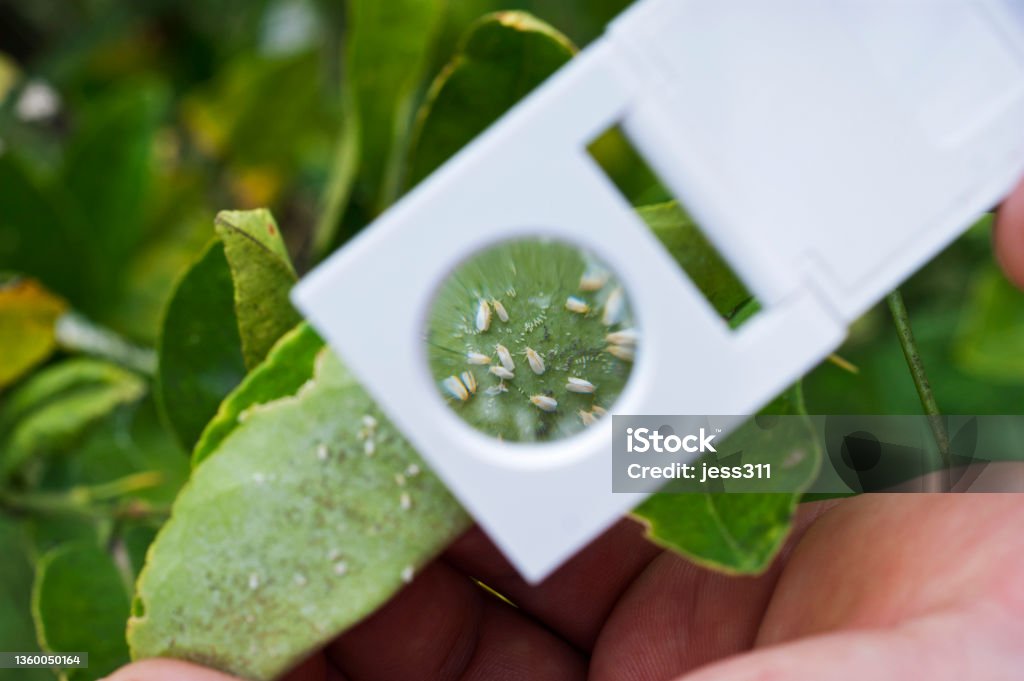
Course Overview:
Integrated Pest Management (IPM) is a comprehensive approach to managing agricultural pests by combining biological, cultural, physical, and chemical tools in a way that minimizes economic, health, and environmental risks. This course provides students with a deep understanding of pest biology, ecology, and management strategies, emphasizing sustainable practices.
Key Topics:
-
Pest Identification and Biology
- Classification of pests: insects, weeds, pathogens, and nematodes
- Life cycles and behavior of common agricultural pests
- Tools and techniques for accurate pest identification
-
Ecological Principles in IPM
- Understanding ecosystems and pest dynamics
- Role of beneficial organisms in pest management
- Factors influencing pest populations and outbreaks
-
Cultural and Biological Control Strategies
- Crop rotation, intercropping, and soil health management
- Use of natural predators and parasitoids
- Conservation of beneficial insects
-
Chemical Control Methods
- Types of pesticides and their modes of action
- Application techniques and safety precautions
- Resistance management strategies
-
Monitoring and Decision-Making
- Pest scouting and monitoring techniques
- Economic thresholds and action levels
- Decision-making tools in IPM
-
Implementation and Evaluation of IPM Programs
- Developing an IPM plan: Assessing risks and setting goals
- Evaluating the effectiveness of pest management strategies
- Case studies of successful IPM implementations
- Teacher: Richard Yahuma Amuok
- Teacher: Admin User
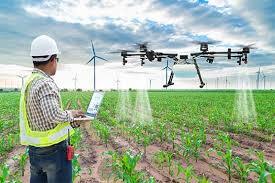
Crop Production I provides an introductory exploration of the fundamental principles, practices, and processes involved in agricultural crop production. This course covers the biological, environmental, and economic aspects of growing crops, emphasizing the importance of sustainable practices.
Key Topics:
-
Crop Biology and Physiology
- Plant structures and functions
- Photosynthesis and respiration
- Growth stages and development
-
Soil Science
- Soil composition and properties
- Soil fertility and nutrient management
- Soil-water relationships
-
Crop Management Practices
- Land preparation and planting methods
- Irrigation techniques
- Pest and disease management
-
Crop Ecology
- Environmental impacts on crop growth
- Crop rotation and diversification
- Sustainable agricultural practices
-
Harvesting and Post-Harvest Management
- Timing and methods of harvest
- Storage and processing techniques
- Market considerations
-
Economic and Social Considerations
- Economic viability of crop production
- Role of crops in local and global economies
- Community impacts and food security
- Teacher: Admin User