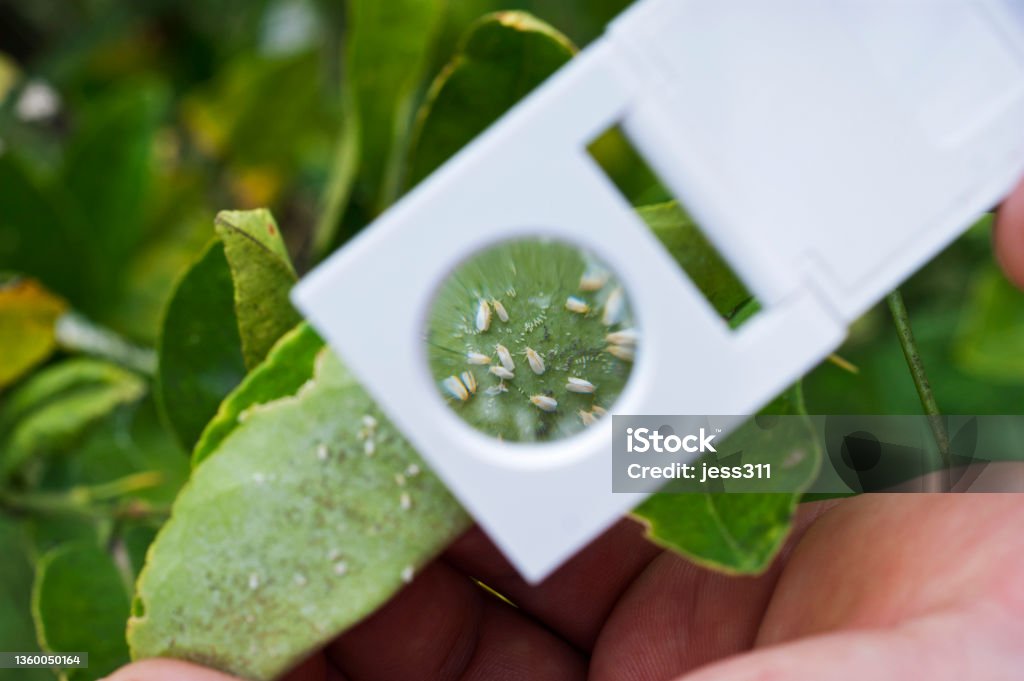
Course Overview:
Integrated Pest Management (IPM) is a comprehensive approach to managing agricultural pests by combining biological, cultural, physical, and chemical tools in a way that minimizes economic, health, and environmental risks. This course provides students with a deep understanding of pest biology, ecology, and management strategies, emphasizing sustainable practices.
Key Topics:
-
Pest Identification and Biology
- Classification of pests: insects, weeds, pathogens, and nematodes
- Life cycles and behavior of common agricultural pests
- Tools and techniques for accurate pest identification
-
Ecological Principles in IPM
- Understanding ecosystems and pest dynamics
- Role of beneficial organisms in pest management
- Factors influencing pest populations and outbreaks
-
Cultural and Biological Control Strategies
- Crop rotation, intercropping, and soil health management
- Use of natural predators and parasitoids
- Conservation of beneficial insects
-
Chemical Control Methods
- Types of pesticides and their modes of action
- Application techniques and safety precautions
- Resistance management strategies
-
Monitoring and Decision-Making
- Pest scouting and monitoring techniques
- Economic thresholds and action levels
- Decision-making tools in IPM
-
Implementation and Evaluation of IPM Programs
- Developing an IPM plan: Assessing risks and setting goals
- Evaluating the effectiveness of pest management strategies
- Case studies of successful IPM implementations
- Teacher: Richard Yahuma Amuok
- Teacher: Admin User